What a Certified Electrician Actually Changes
Not a credentials brag. A look at what training and certification actually change about how a job gets done.
September 3, 2026 · 4 min read
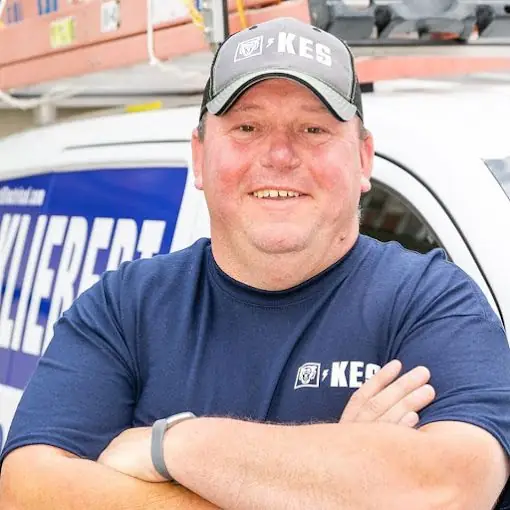
Certification gets mentioned on almost every electrician's website, usually as a badge in the footer and nothing more. It's worth explaining what it actually changes about the work, because the honest answer is more specific than most people expect, and it's not really about a piece of paper.
Manufacturer certification means the equipment gets installed the way it's engineered to run
Take a standby generator. A generator that's installed by someone without manufacturer-specific training might get wired correctly in a general electrical sense and still be set up wrong for that specific model: transfer switch timing that doesn't match the unit's start sequence, exercise scheduling left at a default that doesn't suit the climate, or a load calculation that doesn't account for the generator's actual surge capacity versus its running capacity. We're a Generac authorized dealer with Generac-certified technicians, which means the training is specific to that equipment, not general electrical knowledge applied to it. That distinction shows up later, usually as a warranty claim that gets approved without a fight because the install followed the manufacturer's own documented procedure, or one that gets denied because it didn't.
It changes what gets caught during an inspection, not just what gets fixed
Training changes what someone notices, not just what they know how to repair. An experienced eye looking at an exterior panel in south Louisiana knows to check the disconnect housing for corrosion from humidity exposure even if that's not what the service call was about. It knows that aluminum branch wiring, common in homes built here in the 1960s and 70s, needs a different kind of connector and a different inspection standard than copper, because aluminum expands and contracts differently under load and loose aluminum connections are a documented fire risk that copper connections of the same age usually aren't. That's the actual content behind our 11-point safety inspection on every service call: it's a trained checklist, not a general once-over, and it catches things a less specific inspection would walk past.
It changes how a panel gets read before any work starts
Before touching a breaker, a trained electrician reads a panel the way a mechanic reads an engine bay: what's original, what's been added later, what's mismatched, and what that mismatch implies about the rest of the house. A panel with three different generations of breakers in it usually means three different eras of work, and that history matters for figuring out whether the rest of the wiring behind the walls matches the panel or predates it. That reading is what determines whether a job is actually the single repair someone called about, or whether it's the visible symptom of something upstream. Skipping that step is how a homeowner ends up calling back six months later for a problem that was actually the same root cause.
It changes what documentation looks like on a commercial job
On commercial electrical work, certification and training show up in the paperwork as much as the wiring. We provide in-person estimate reviews, regular project updates, and weekly progress reports on commercial jobs, along with professional documentation through every phase. That's not paperwork for its own sake. A commercial property owner or property manager needs a record of what was inspected, what was found, and what was done, both for their own records and because commercial insurance and code compliance often require it. A trained crew produces that documentation as a normal part of the job rather than as an afterthought reconstructed later.
It changes how residential work gets scoped, too
The same habit of reading a job before starting it shows up on residential calls. Panel installations, carbon monoxide detector checks, whole-home surge protection, emergency repairs, each of those looks like a discrete task on a service list, but a trained electrician treats them as related checks on the same system rather than isolated line items. A panel installation done without checking the grounding and the surge protection at the same time is a missed chance to catch something while the panel is already open. That's the difference training makes in practice: fewer separate visits for problems that could have been caught together the first time.
It's a habit, not a one-time credential
Manufacturer certifications like Generac's require staying current, not a single test passed years ago and forgotten. Equipment changes, transfer switch technology changes, and the training has to keep up with it. Over 20 years of doing this work, the certifications are less a badge and more a record of having kept current the whole way through, which is really what you're paying for when you hire someone certified: not the piece of paper, but the fact that they had to keep earning it.
Kliebert Electrical Services · (225) 673-1919
Call (225) 673-1919More articles
What to Expect During Generator Installation
The real sequence of a whole-house generator install, step by step, and why gas availability and permitting shape the schedule here more than the equipment does.
How to Choose an Electrician in Ascension Parish
Fewer bullet points, more of what actually distinguishes one electrician from another when you're standing in your kitchen trying to decide who to call.